

And the cold marches on

As the cold continues, we tend to get a little used to it. But what about our pets? Did you know that our pets, especially seniors, short haired and smaller breeds, actually lose body heat faster than humans? Remember, pets cool themselves through their paw pads, ears, and panting so this makes them more vulnerable to frostbite and hypothermia. Frostbite can occur in as little as 10-30 minutes depending on the temperature and wind chill. Hypothermia can occur in a few as 10-15 minutes depending on the pet. While thick fur, breed, age, and health can be factors in determining the exposure time, given the right circumstances ALL pets are susceptible to frostbite and hypothermia. Dehydration increases the risk. Frostbite can show up several days after exposure. Frostbite is the death of the exposed tissue with 3 stages. Things to look for in stage one (superficial) are pale or gray skin, stiffness, and pain. Stage two (moderate) presents blistering, swelling and visibly blackened tissue and stage three (deep or severe) sometimes accompanied by foul smelling necrosis, gangrene (open sores), and hypothermia. Frostbite is a serious, PREVENTABLE condition that can lead to loss of limbs and even death! Hypothermia is also serious and needs veterinarian care. Hypothermia also presents 3 stages. Stage 1 (mild 90-99F), watch for shivering, lethargy, and cold to the touch extremities. Stage 2 (moderate 82-90F) comes with muscle stiffness, slow breathing, and disorientation. Stage 3 (severe <82F) is collapse, coma or cardiac arrest! PREVENTION/EARLY INTERVENTION IS CRUCIAL. Tips for prevention: If it’s too cold for you, it’s too cold for them! Better to be safe than sorry later. With some cost-effective changes, you can prevent frostbite and hypothermia. Outside pets need regular monitoring. Dog houses and horse stalls etc should be checked for drafts, pointing the openings (if possible) away from wind/rain and snow. Old blankets can help but must be removed if wet. Wet animals lose body heat EVEN FASTER. In wintry weather some pets are more reluctant to drink adequate amounts of water to stay well hydrated. Try offering warm water or water with bone broth if possible. Even for inside pets this can help. Canned food contains more liquid than dry for as well so, if possible, offer canned or at least soak the dry food so the pets get more hydration. For my pets, who are inside, I pick up baby/crib size blankets at the thrift stores and use them throughout the winter months for them. I toss several in the dryer before bedtime just long enough to warm them slightly and let the pets enjoy them to stay warm. If you’re tempted to offer an electric heating pad…DON’T!
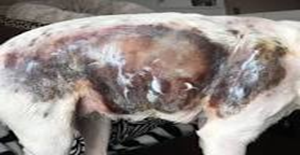
Even veterinarian hospitals have had severe burns when trying to warm pet patients with heating pads…DON’T RISK IT! If you need more convincing, just check out the internet for pet injuries and even death caused by using heating pads. There are other ways to help your pets stay warm. Try pet designed pads that retain the pets natural heat that are non-electric. Take particular care to watch your pets around the fireplace. For some strange reason you would think that a pet would get up and move away from the heat when it becomes too hot…not so. Almost every pug I’ve ever had and there have been many, have laid on the hearth until their hair has literally started smoking. I have photos upon request 😊 Fortunately, I have NEVER left my pets alone with a lit fireplace, so I’ve been able to remove them in time to prevent anything other than that superficial singed hair. Finally, for both you and your pet, bundle up, keep healthy, hydrated, and warm, use precautions when enjoying the fireplace and space heaters and enjoy the rest of winter.


Comments